
Maryland’s freeze-thaw winters force water deep into chimney masonry, where it expands as ice and cracks brick, mortar, and chimney crowns from the inside out. Waterproofing a chimney before winter — using a breathable masonry sealant along with a sound crown and a properly fitted cap — is the most effective way to prevent this damage. Town & Country Chimney recommends scheduling waterproofing and inspection services every fall, before the first hard freeze arrives.
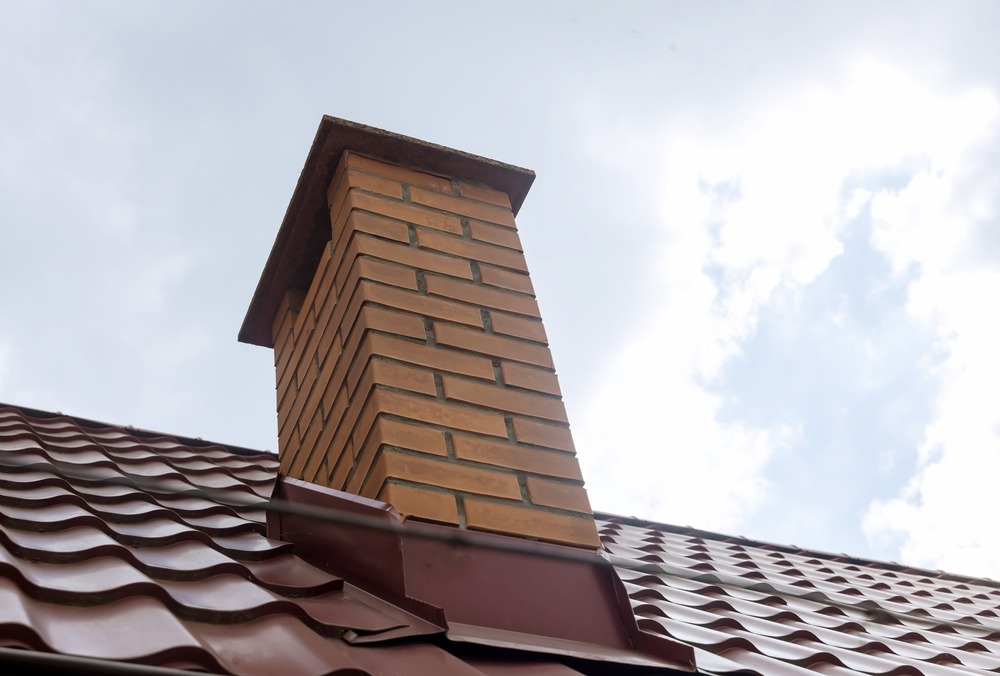
Every fall, Baltimore-area homeowners winterize their gutters, seal their windows, and service their furnaces. Far fewer think to look up at their chimney. Yet the chimney is one of the most exposed parts of any home, sitting directly in the path of rain, snow, and the punishing freeze-thaw cycles that define a Maryland winter. By the time water damage becomes visible — a crumbling crown, spalling brick, or a damp stain creeping down the interior wall — the masonry has often been absorbing moisture for months, if not years.
Chimney waterproofing addresses this problem at its source. It’s a straightforward, affordable service with an outsized impact on how well a chimney holds up through the colder months. Here’s what Maryland homeowners should understand about the risks of winter moisture and how to protect their chimney before temperatures drop.
Why does freeze-thaw damage happen to chimneys?
Brick and mortar are porous by nature. They’re built to breathe, which allows moisture to pass through rather than get trapped inside. But when that moisture lingers in the masonry and temperatures fall below freezing, it expands by roughly nine percent as it turns to ice. That expansion puts pressure on the surrounding brick and mortar from within.
Maryland’s climate makes this cycle particularly damaging. The region doesn’t typically experience one long, steady freeze — it experiences dozens of freeze-thaw cycles each winter, as temperatures swing above and below freezing throughout the season. Every cycle is another opportunity for trapped water to expand, contract, and widen existing cracks. Over several winters, this repeated stress can turn minor surface issues into structural ones.
What does freeze-thaw damage actually look like?
Homeowners don’t need to climb onto the roof to notice the warning signs. Several common symptoms point to moisture intrusion in the chimney system:
- Spalling brick: Brick faces that are flaking, popping off, or crumbling are a textbook sign of trapped water expanding beneath the surface.
- Cracked or deteriorating mortar joints: Gaps between bricks allow even more water to penetrate, accelerating further damage.
- A damaged chimney crown: The crown is the concrete slab at the very top of the chimney, and it’s the primary defense against water entering from above. Cracks here allow water to seep directly into the chimney structure.
- Rust on the damper or firebox: Metal components that show rust often indicate that water is making its way further into the chimney than it should.
- Efflorescence: A white, chalky residue on brick is a visible sign that water is moving through the masonry and leaving mineral deposits behind as it evaporates.
Left unaddressed, these issues tend to compound. A cracked crown lets in more water, which accelerates spalling, which weakens the structure further. What starts as a cosmetic issue can eventually require a full rebuild.
How does chimney waterproofing actually protect masonry?
Chimney waterproofing works by applying a specialized sealant to the exterior masonry that repels water while still allowing the brick to breathe. This distinction matters. A standard sealant that blocks all moisture movement can actually trap water vapor inside the masonry, making problems worse rather than better.
Town & Country Chimney uses DEFY, a breathable masonry water repellent engineered specifically for this purpose. It penetrates deep into the brick and mortar to create a water-resistant barrier, while still allowing any residual moisture vapor to escape. The result is masonry that stays dry on the outside without trapping condensation inside, which is exactly the balance needed to withstand Maryland’s freeze-thaw winters.
Waterproofing is most effective as a preventive measure rather than a repair. Applying it to sound masonry in the fall, before the first freeze, protects brick and mortar before any cracks have had the chance to form. For chimneys that already show signs of damage, waterproofing should be paired with repairs to the brick, mortar, or crown first, since sealing damaged masonry doesn’t address the underlying structural issue.
Why does the chimney crown need separate attention?
The crown and the surrounding masonry work together, but they aren’t protected the same way. The crown is a slab of concrete or mortar that caps the entire chimney structure, and it bears the brunt of direct rain, snow, and ice all winter long. Hairline cracks in a crown might look minor, but they give water a direct path into the chimney’s interior, where it can damage the flue, framing, and surrounding masonry.
A crown and coat seal addresses this specifically, reinforcing the crown and sealing it against moisture so it can withstand repeated freeze-thaw cycles without cracking further. For homeowners dealing with a deteriorating crown, this service is often a far more cost-effective solution than waiting until a full crown rebuild becomes necessary. Town & Country Chimney’s crown and coat seal service is typically recommended alongside waterproofing, since the two work together to protect the entire top of the chimney system.
Does a chimney cap make a difference in winter?
A properly fitted chimney cap is one of the simplest ways to reduce water intrusion before it starts. Caps cover the flue opening, blocking rain and snow from falling directly down the chimney while also keeping out animals looking for a warm place to nest during colder months. Without one, an open flue is essentially an invitation for both moisture and wildlife.
Town & Country Chimney installs Hy-C and Gelco stainless steel caps, built to handle Maryland’s weather without rusting or warping over time. For homeowners who also want to improve energy efficiency, a lock-top damper offers the added benefit of sealing the flue tightly when the fireplace isn’t in use, cutting down on drafts and heat loss during the winter months. Details on both options are available on Town & Country Chimney’s chimney tops and caps page.
When is the best time to waterproof a chimney before winter?
Fall is the ideal window for chimney waterproofing in Maryland. Temperatures are mild enough for sealants to cure properly, and the work gets completed well before the season’s first freeze puts any vulnerable masonry at risk. Scheduling service in October or early November, rather than waiting until the cold weather has already arrived, gives homeowners the best protection heading into winter.
An annual inspection is the best way to determine exactly what a chimney needs. In some cases, waterproofing alone is sufficient. In others, a damaged crown or deteriorating brick should be addressed first. Either way, catching these issues in the fall is far less costly than dealing with structural repairs after a long winter of freeze-thaw cycles has already taken its toll.
Protect your chimney before the cold sets in
A chimney that’s properly sealed, capped, and crowned can handle whatever a Maryland winter brings. One that isn’t may face a slow accumulation of damage that becomes far more expensive to fix come spring.
Town & Country Chimney has served Baltimore, Carroll County, Howard County, and Anne Arundel County homeowners since 1982, bringing more than 30 years of hands-on experience to every inspection, repair, and waterproofing job. Schedule a fall chimney inspection and waterproofing service today to give your home’s chimney the protection it needs before winter arrives.
