
A warm fire can make your home feel cozy and inviting—but if your chimney isn’t properly maintained, it can also become a serious safety hazard. One of the most common questions homeowners ask is: how often should a chimney be cleaned? The answer depends on how often you use your fireplace, what you burn, and the condition of your chimney.
This guide breaks it all down so you know exactly when to schedule chimney cleaning and why it matters.
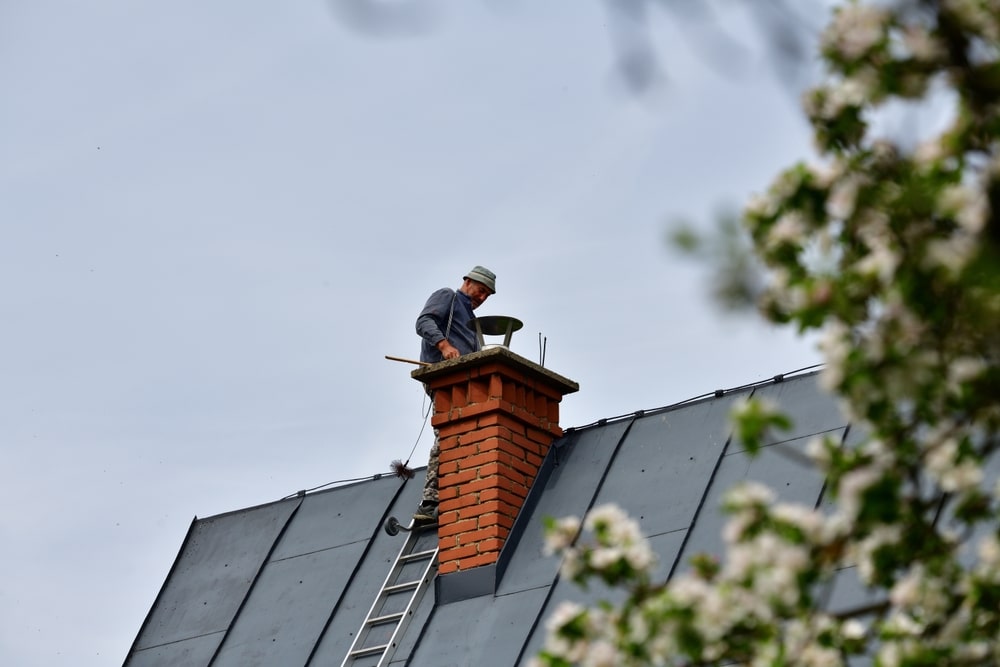
The General Rule: Once a Year
The National Fire Protection Association (NFPA) recommends that chimneys, fireplaces, and vents be inspected at least once per year. Even if you don’t use your fireplace frequently, an annual inspection helps catch issues like creosote buildup, blockages, cracks, or structural damage before they turn into costly (or dangerous) problems.
In many cases, that annual inspection will also include a cleaning, especially if creosote levels are high or debris is present.
Why Chimney Cleaning Is So Important
Each time you burn a fire, a byproduct called creosote builds up inside the chimney flue. Creosote is highly flammable and is one of the leading causes of chimney fires. Over time, soot, ash, and even animal nests can restrict airflow, increasing the risk of:
- Chimney fires
- Smoke backing up into your home
- Carbon monoxide exposure
- Poor fireplace performance
Regular chimney cleanings remove these hazards and keep your system operating safely and efficiently.
How Usage Affects Cleaning Frequency
While once a year is the standard recommendation, some households may need more frequent cleanings depending on usage.
You May Need More Frequent Cleaning If:
- You use your fireplace several times per week
- You burn wood as a primary heat source
- You burn unseasoned or softwood
- Your fireplace produces a lot of smoke
- You have a wood stove or insert
In these cases, your chimney may need to be cleaned every 6–12 months.
Occasional Fireplace Use
If you only use your fireplace a few times each season, an annual inspection and cleaning is typically sufficient.
What About Gas Fireplaces?
Many homeowners assume gas fireplaces don’t need maintenance—but that’s not true. While gas fireplaces don’t produce creosote, they can still experience issues like:
- Blocked vents
- Corrosion
- Loose or damaged components
- Carbon monoxide leaks
Gas fireplaces should still be inspected annually and cleaned as needed to ensure it’s operating safely.
Signs Your Chimney Needs Cleaning Sooner
Even if it hasn’t been a year, schedule a chimney cleaning if you notice:
- A strong smoky or campfire odor
- Smoke entering your home during use
- Black, flaky buildup inside the fireplace
- Poor draft or difficulty starting fires
- Debris falling into the firebox
These are warning signs that your chimney may already be unsafe to use.
When Is the Best Time to Schedule a Chimney Cleaning?
The best time to schedule chimney cleaning is before fireplace season begins, typically in late summer or early fall. However, winter and early spring cleanings are also effective, especially if your chimney has been heavily used.
Scheduling early helps avoid peak-season delays and ensures your fireplace is ready when you need it most.
Trust a Professional Chimney Sweep
Chimney cleaning isn’t a DIY task. Professional chimney sweeps have the tools and training to properly remove buildup, inspect for hidden damage, and ensure your chimney meets safety standards.
Town and Country Chimney Services provides professional chimney inspections and cleanings designed to protect your home, your family, and your investment.
Final Thoughts
So, how often should you have your chimney cleaned?
For most homeowners, once a year is essential, and more often if you use your fireplace regularly.
Regular chimney maintenance isn’t just about cleanliness; it’s about safety, efficiency, and peace of mind. If it’s been over a year since your last chimney inspection or cleaning, now is the perfect time to schedule service.
Ready to book your chimney cleaning? Contact Town and Country Chimney Services today to keep your home safe and your fireplace working its best.
